
What’s Really in Your Water? A Plain-Language Look at Tank Contaminants and Drinking Safety

Clear water can still contain contaminants that affect taste, odor, and long-term safety. Public health agencies such as the World Health Organization and the U.S. Environmental Protection Agency note that water storage systems require regular maintenance because bacteria, sediment, and mineral buildup can develop even when water appears clean to the eye.
Many homeowners first notice the problem through small changes. Tap water may smell slightly musty, leave a chalky residue on kettles, or appear cloudy for a few seconds before turning clear. Research published by Centers for Disease Control and Prevention shows that poorly maintained water systems can support microbial growth over time. Services such as Almasa Water Tank Cleaning in Jeddah (الماسة لتنظيف خزانات المياه بجدة) are often referenced in discussions about how professional tank cleaning protocols help reduce contamination risks in residential storage systems.
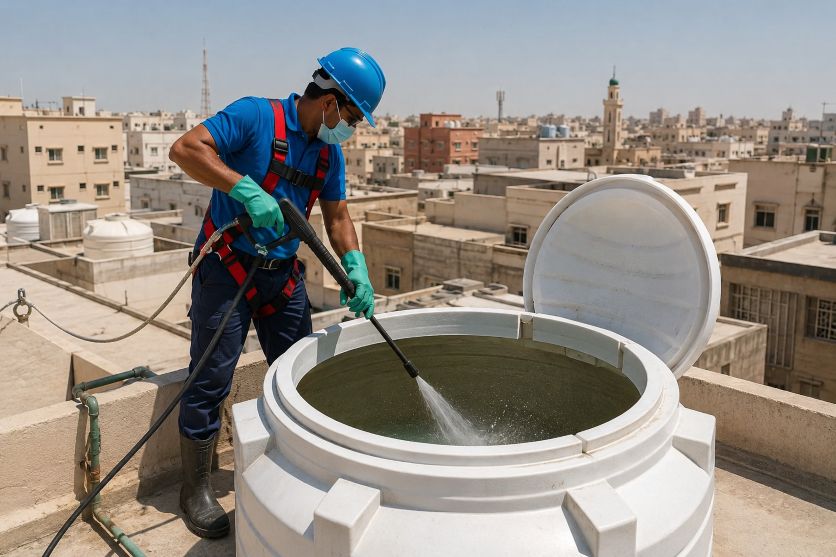
Water tanks are common in areas where stored water supports daily household use. Rooftop tanks, underground reservoirs, and backup storage systems help maintain water access during interruptions or periods of high demand. Yet storage creates one important challenge. Water that sits for long periods can slowly collect contaminants from pipes, dust, temperature changes, and organic matter.
Why Water Can Smell Strange Even When It Looks Clean
Water quality problems are not always visible. Some contaminants change odor or taste before they affect appearance. Experts from NSF International explain that certain bacteria release compounds that create earthy or sulfur-like smells. Mineral deposits can also alter flavor without causing discoloration.
Temperature plays a role as well. Warm environments encourage microbial growth, especially inside tanks exposed to sunlight or inconsistent sealing. Small cracks or loose lids may allow dirt, insects, and airborne particles to enter the system over time.
Many homeowners assume that a faint smell is harmless because the water still looks transparent. That assumption can delay maintenance for months or even years. During that period, buildup continues to accumulate along tank walls and inside connecting pipes.
Bacteria: The Most Concerning Hidden Contaminant
Bacteria are among the most serious concerns in neglected water tanks. Some bacteria are harmless, while others may contribute to gastrointestinal illness or skin irritation. Data from the World Health Organization indicates that contaminated drinking water remains linked to a wide range of preventable health risks worldwide.
Bacteria enter tanks through several pathways:
- Dust and debris entering through damaged covers
- Standing water left undisturbed for long periods
- Improperly sealed access points
- Contaminated pipes or plumbing fixtures
- Animal or insect intrusion
One challenge is that bacterial contamination often develops gradually. Early signs may include mild odor changes or slimy surfaces around faucets and drains. Over time, water may develop a stale taste or produce recurring stomach discomfort in sensitive individuals.
Children, older adults, and people with weakened immune systems are generally more vulnerable to waterborne contamination. Public health experts note that routine cleaning and disinfection help reduce these risks significantly.
Algae Growth and Why Sunlight Matters
Algae thrive in moist environments exposed to light. Tanks placed under direct sunlight or fitted with translucent materials are especially vulnerable. Once algae begin growing, they can create green discoloration, slippery surfaces, and unpleasant odors.
Research from Water Research Foundation publications shows that algae can affect both water aesthetics and treatment efficiency. Even small amounts may produce a swamp-like smell that many homeowners notice immediately.
Algae also create indirect problems. Their presence supports additional microbial activity and may clog filters or pipes. Tanks with heavy algae growth often require more extensive cleaning because the buildup sticks to interior surfaces.
Homeowners sometimes mistake algae for harmless staining. However, persistent green residue inside tanks or near faucets usually signals the need for inspection and cleaning.
Calcium Deposits and Hard Water Residue
Mineral buildup is another common issue, especially in areas with hard water. Calcium and magnesium naturally occur in many water supplies. Over time, these minerals settle inside storage tanks and attach to pipes, heaters, and fixtures.
The U.S. Geological Survey explains that hard water is not usually dangerous to drink, but it can affect household systems and water quality perception. Calcium deposits often appear as:
- White chalky residue on faucets
- Scale buildup inside kettles and heaters
- Reduced water pressure
- Dry feeling on skin after washing
- Metallic or bitter taste changes
Heavy mineral accumulation can also trap bacteria and sediment within rough surfaces, making tanks harder to clean over time. That combination creates an environment where multiple contamination issues develop together.
Sediment and Rust at the Bottom of Tanks
Sediment usually collects slowly at the bottom of storage systems. Sand, dust, rust particles, and organic debris settle as water remains stored for long periods. Even municipal water supplies can carry trace particles that eventually accumulate.
Experts from the American Water Works Association note that sediment buildup may interfere with water flow and reduce storage efficiency. In severe cases, sediment can cause cloudy water or discoloration when tanks are disturbed.
Rust contamination may also occur in older metal tanks or aging plumbing systems. Water with rust particles sometimes appears yellow, orange, or brown after sitting unused overnight.
Although sediment often seems harmless at first, thick buildup creates an ideal environment for bacterial growth. Cleaning becomes more difficult the longer debris remains inside the system.
What a Professional Tank Cleaning Process Usually Includes
Professional cleaning services generally follow a structured process designed to remove contamination safely and restore sanitary conditions. While procedures vary by provider, industry cleaning standards often include six basic stages.
1. Inspection and Water Assessment
The process usually begins with a visual inspection. Technicians check tank walls, lids, pipes, and water quality indicators. Signs of algae, cracks, corrosion, or sediment are documented before cleaning starts.
2. Water Drainage
The tank is emptied carefully to expose interior surfaces. Removing stored water allows technicians to access accumulated residue and contamination hidden below the surface.
3. Sediment and Sludge Removal
Heavy debris, mineral deposits, and sludge are physically removed using specialized equipment. This stage often addresses the thickest contamination layers.
4. Surface Scrubbing
Tank walls and corners are scrubbed thoroughly to remove algae, biofilm, and calcium buildup. Professional tools help clean areas difficult to reach manually.
5. Disinfection and Sanitization
Approved disinfectants are applied to reduce bacterial contamination. Experts from Centers for Disease Control and Prevention emphasize that proper disinfection remains an essential step in maintaining safe stored water systems.
6. Final Rinse and Refill
The tank is rinsed, inspected again, and refilled with clean water. Many services also check sealing conditions to help prevent future contamination.
READ ALSO: Budget Friendly Specialized Tank Hygiene in Jeddah like Luxury-Looking Cheap Ingredients
Warning Signs Homeowners Should Never Ignore
Water storage systems rarely fail without warning. Small changes often appear first, and early action helps prevent larger sanitation problems later.
- Persistent musty or sulfur-like odors
- Cloudy water or unusual discoloration
- Visible particles in drinking water
- Green residue near tank openings
- Recurring slime around faucets
- Sudden taste changes
- Reduced water pressure caused by buildup
- Rust-colored stains in sinks or tubs
Experts generally recommend periodic inspections even when no major symptoms appear. Routine maintenance helps reduce contamination risks and extends the lifespan of household water systems.
Clean-looking water does not always mean clean water. Bacteria, algae, mineral buildup, and sediment can quietly develop inside neglected tanks for months before obvious problems emerge. Paying attention to subtle warning signs, scheduling regular inspections, and maintaining proper storage conditions all contribute to safer drinking water and better long-term household health.